Classical Beauty and Characteristic Beauty
FEMININE BEAUTY IN WESTERN ART: A SURVEY – PART 5
Kenneth Clark
From Kenneth Clark, Feminine Beauty (London: Book Club Associates / Weidenfeld & Nicholson, 1980) pp. 29-33
THIS IS PART 5 OF THE ESSAY. READ PART 1 FIRST.
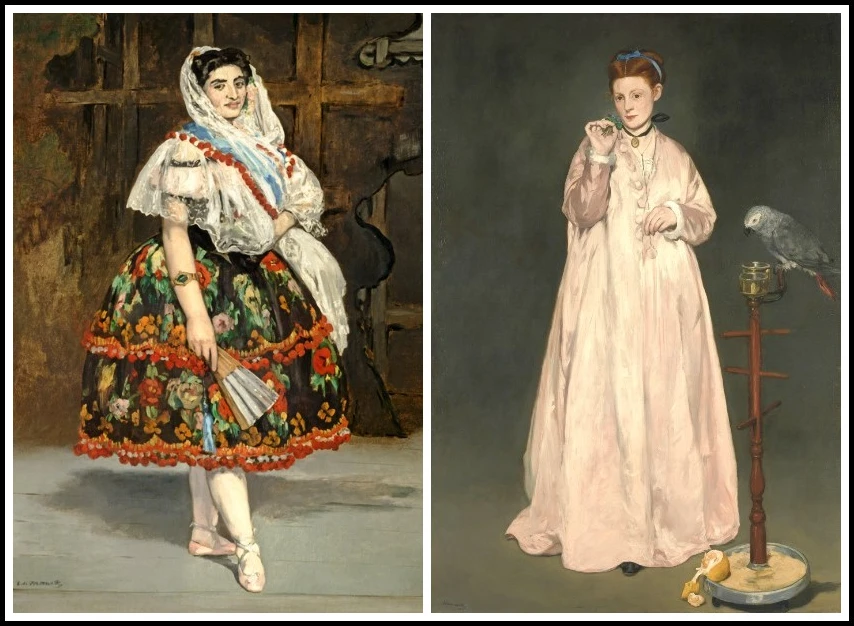
The most comprehensive painter of feminine beauty in the nineteenth century was Manet. He saw how differently charm could manifest itself, and his images of femininity ranged from the confident Lola de Valence to the shy but observant woman with a parrot.
MANET
Lola de Valence, 1862 | Woman with a Parrot, 1866
His barmaid at the Folies-Bergères has become one of the quintessential images of the nineteenth century.
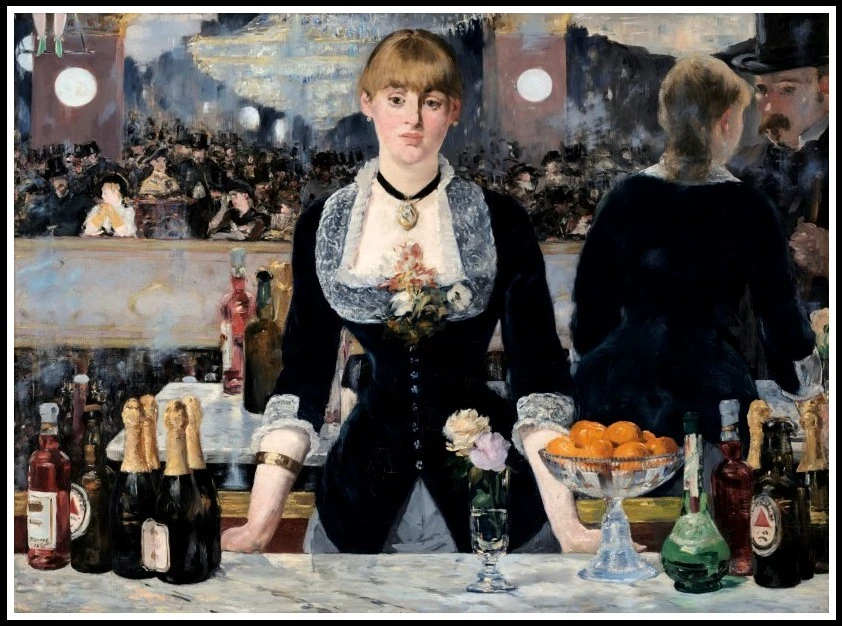
Manet, A Bar at the Folies-Bergère, 1882
He also painted the first modern nude, Olympia. What shocked the amateurs of the time was not her naked body but her bright, appraising head, which, instead of being a conventional mask, was obviously a truthful portrait.
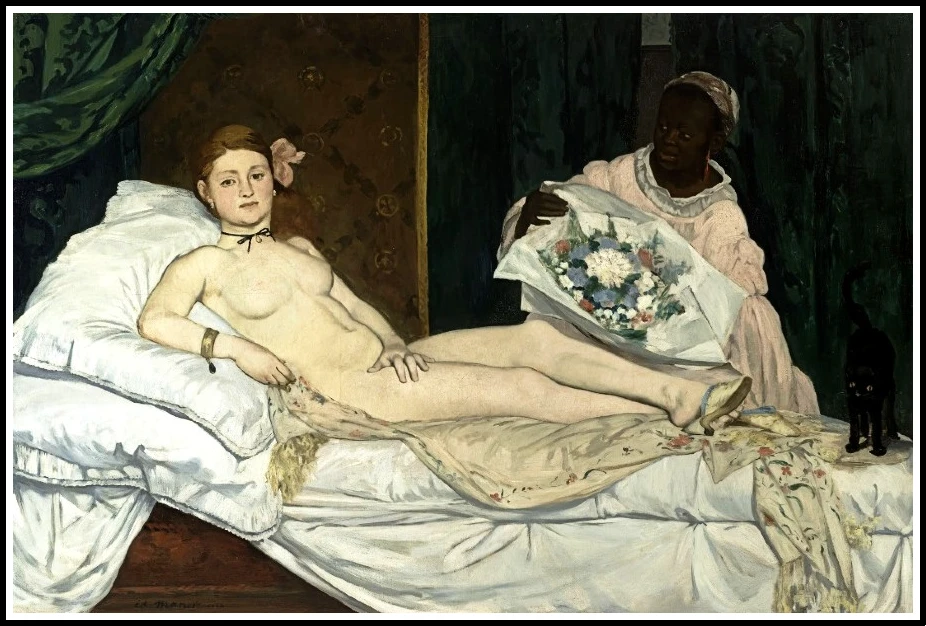
Manet, Olympia, 1863
The number of sexy nudes that seem to have been tolerated in Victorian England is rather surprising. I give as an example a reclining figure by the ultra-respectable Alma-Tadema.
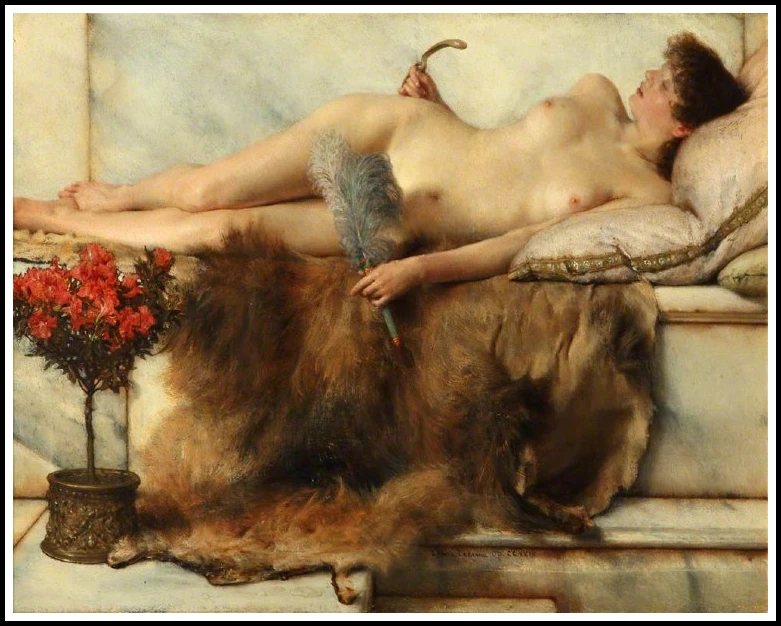
Lawrence Alma-Tadema, In the Tepidarium, 1881
From about 1850 onwards beautiful women tend to fall into two categories: naturalistic and romantic. For obvious reasons the romantic category is the larger, and this is particularly true of photography, where the essential realism of the medium is a challenge to the photographer’s ambitions. A good example of naturalism is Millais’s Hearts are Trumps, Victorian taste at its most sincere. The young ladies could be described as beauties, but this is not insisted on in such a way as to effect the unity of the group.
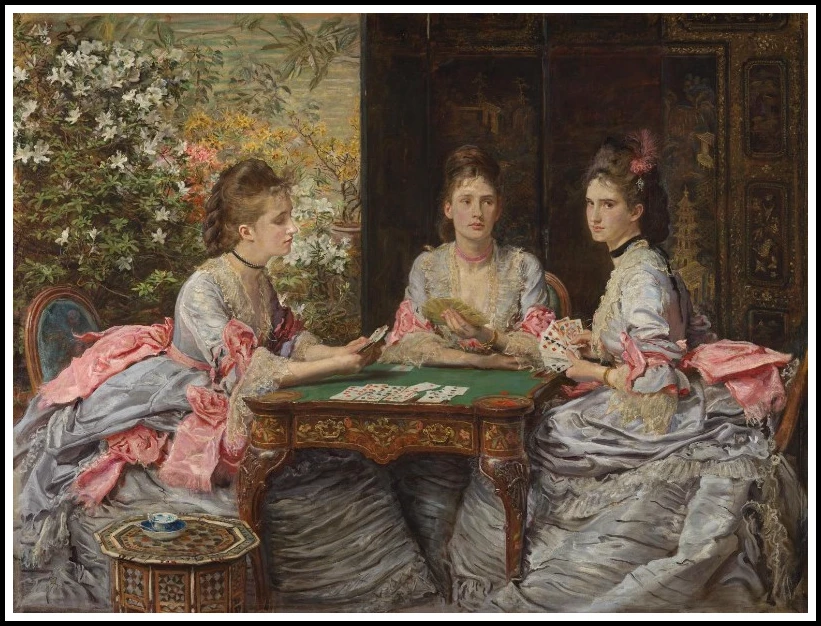
John Everett Millais, Hearts are Trumps, 1872
Sixty years later Sargent painted a similar group in which the consciousness of beauty is far more evident.
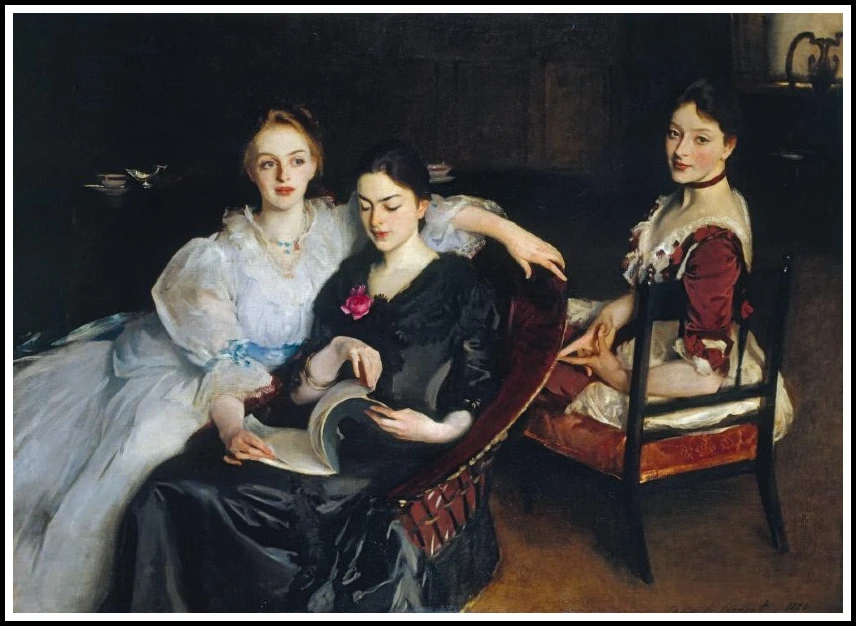
John Singer Sargent, The Misses Vickers, 1884
We have seen that the concept of feminine beauty is constantly being given a new inflection. We can all agree about the lady in Renoir’s La Loge…
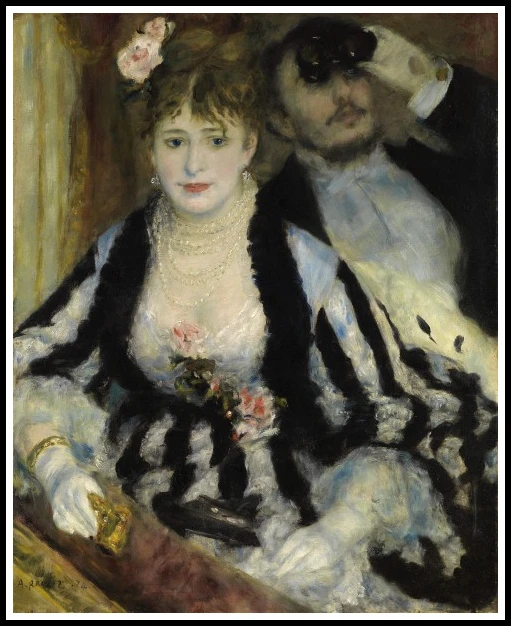
Renoir, La Loge, 1874
…but might differ over the rosy creatures in his later works. Yet Renoir, who delighted in feminine beauty as much as any man, evidently found them beautiful, and used to paint two or three a day.
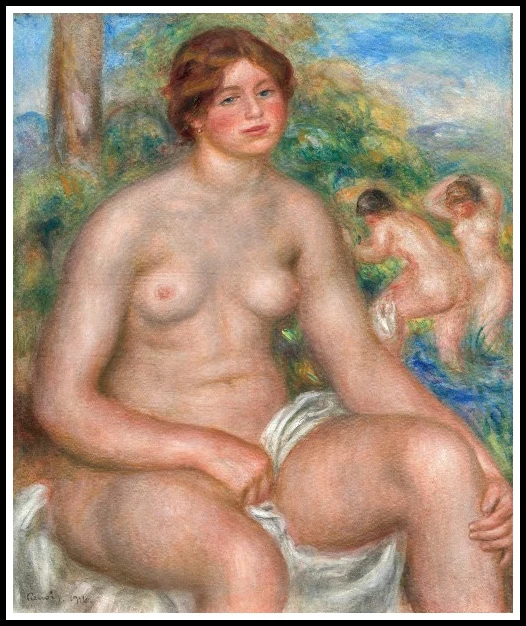
Renoir, Seated Bather, 1914
In our modern concept of beauty, character shows itself more markedly than was once considered acceptable. Virginia Woolf was not a beauty by any classical standard, but her face reveals an inner life which we value more than conformity to an ideal.
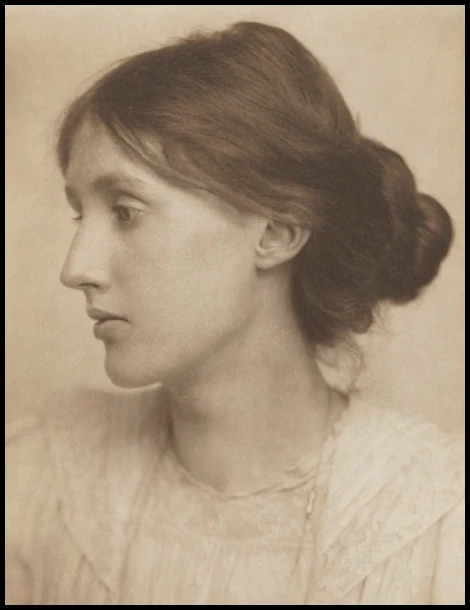
Virginia Woolf, 1902 | Photo: George Charles Beresford
An extreme example of how far popular taste has reacted against ideal beauty is Picasso’s picture Girl in a Chemise, which is probably one of the most widely admired images of our time.
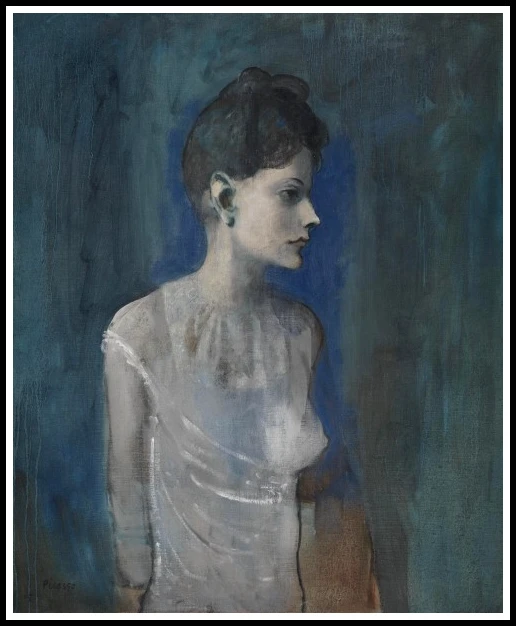
Picasso, Girl in a Chemise, 1905
But feminine beauty flourishes most naturally in an atmosphere of sentiment and romance. In this genre one of the most wholly committed masters of femininity worked in England, although he was very far from being an Englishman—Dante Gabriel Rossetti. An early picture is The Annunciation. The Virgin’s head has a poignant beauty which he never surpassed.
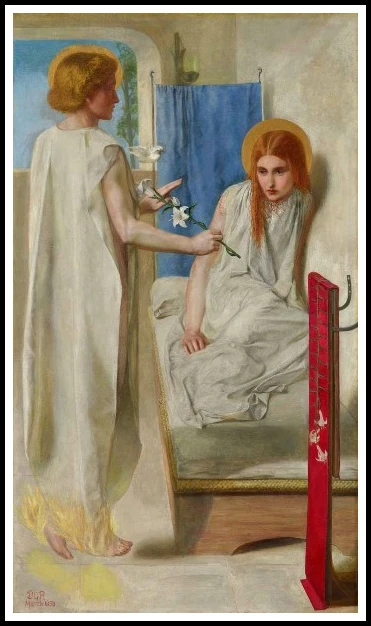
DANTE GABRIEL ROSSETTI
Ecce Ancilla Domini! (The Annunciation), 1850
And this feeling of the face being the mirror of the soul is touchingly present in his drawings of Miss Siddal…
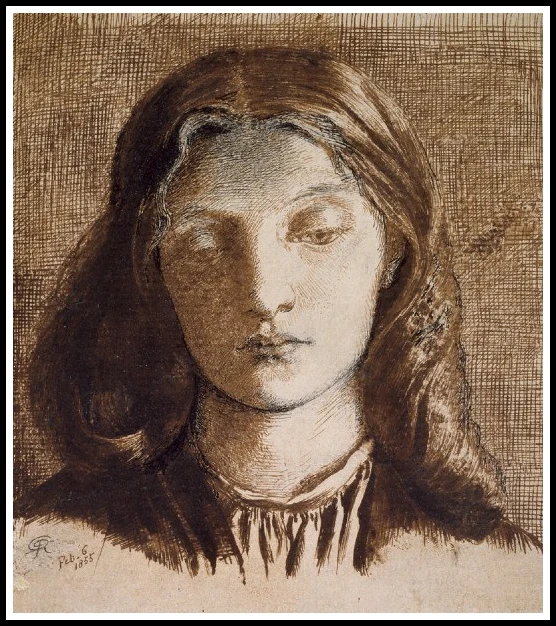
Dante Gabriel Rossetti, Elizabeth Siddal, 1855
…and in the picture he painted after her suicide, a tragedy for which he believed himself to be half responsible.
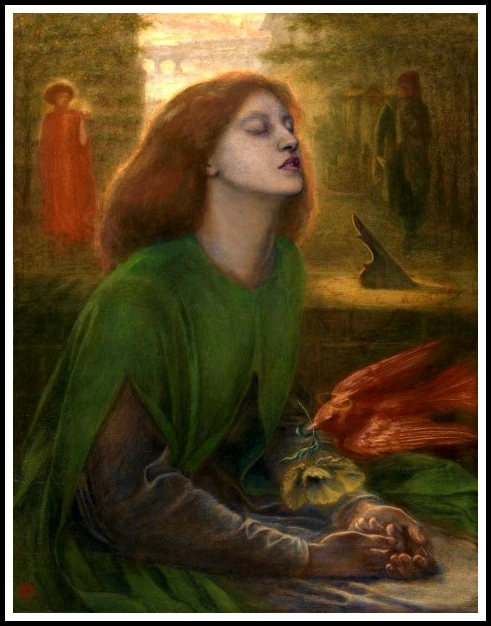
Dante Gabriel Rossetti, Beata Beatrix, 1864-70
In Rossetti’s later work a new and very striking type of beauty appears. This was inspired by an actual woman, the wife of his close friend William Morris. Her relations with Rossetti have remained a mystery, but there is no doubt about his feelings for her, and her marvellous appearance was to influence the concept of beauty for almost half a century.
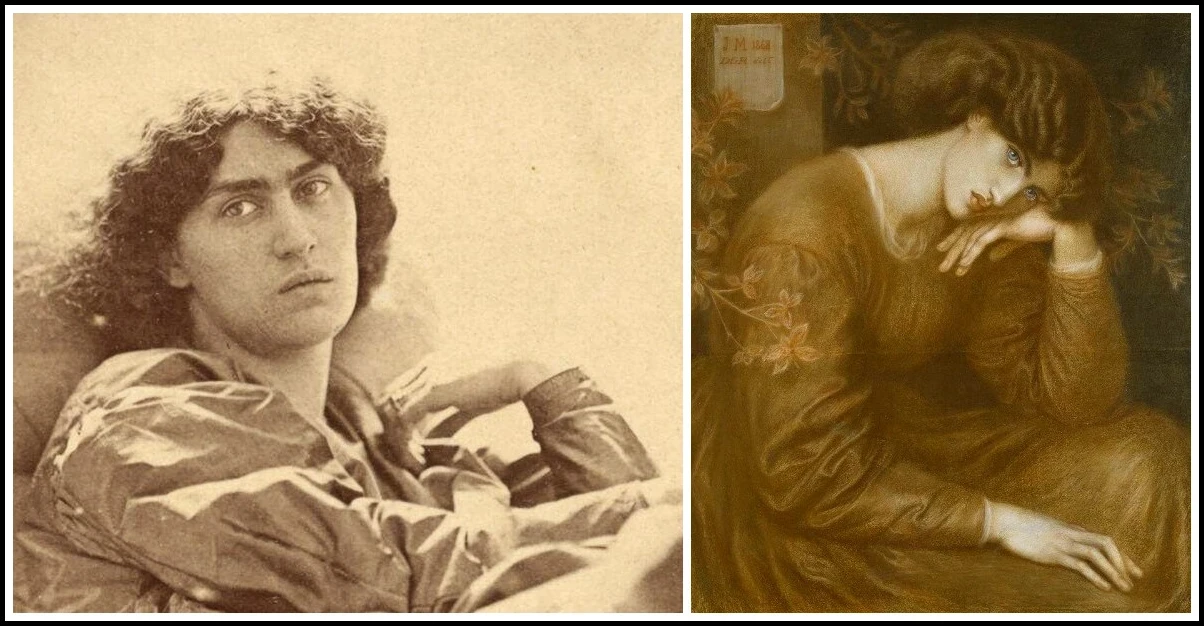
John R. Parsons, Jane Morris posed by Rossetti, 1865 (detail) |Dante Gabriel Rossetti, Reverie, 1868
Other images almost equally romantic include Munch’s lithograph of Mudocci…
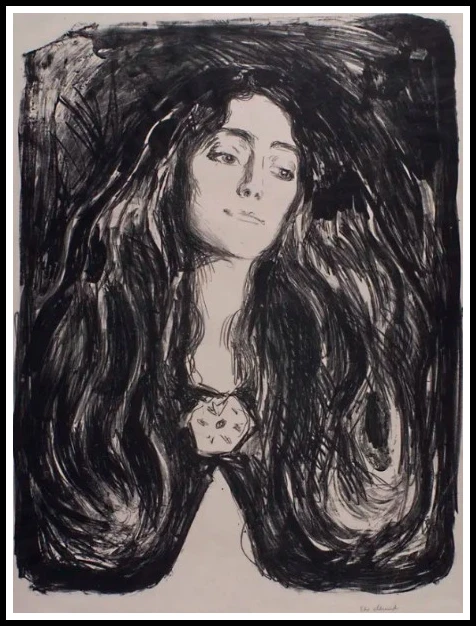
Edvard Munch, Eva Mudocci, 1903
…or the photograph of the Diaghilev prima ballerina Tamara Karsavina.
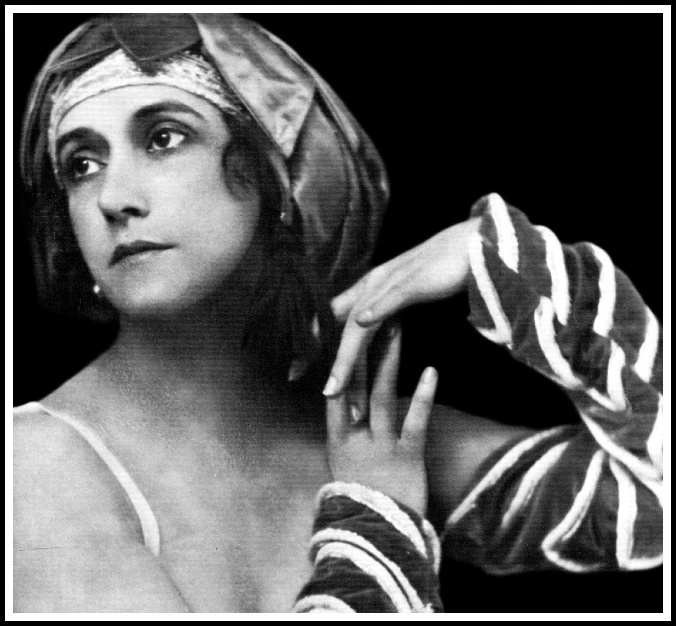
E.O. Hoppé, Tamara Karsavina, 1913
The other English artist to create an ideal of beauty was Burne-Jones. His early work reveals an artist with sharp vision and a personal approach, relics of which are to be seen in the drawing of Perseus and his bride.
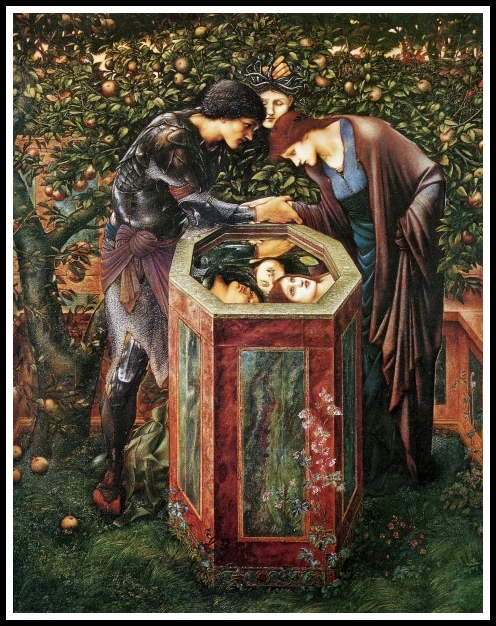
Edward Burne-Jones, The Baleful Head, 1885
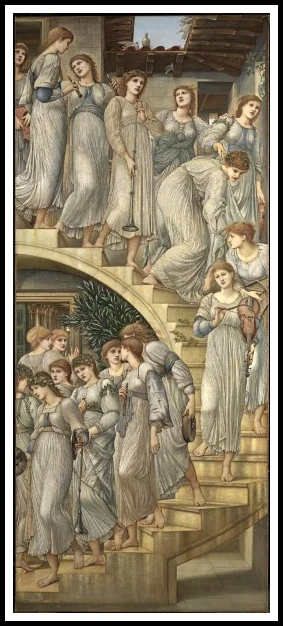
But all too soon he accepted the taste of the time, and his women fall into a type of conventional beauty that deprives them of vitality. And yet, as we look closely at the faces of the young women descending the Golden Stairs, we see an unexpected variety of beauty for which their highly artificial occupation has not prepared us.
EDWARD BURNE-JONES
The Golden Stairs, 1880
This feeling for character in Burne-Jones distinguishes him from his successors, like Leighton…
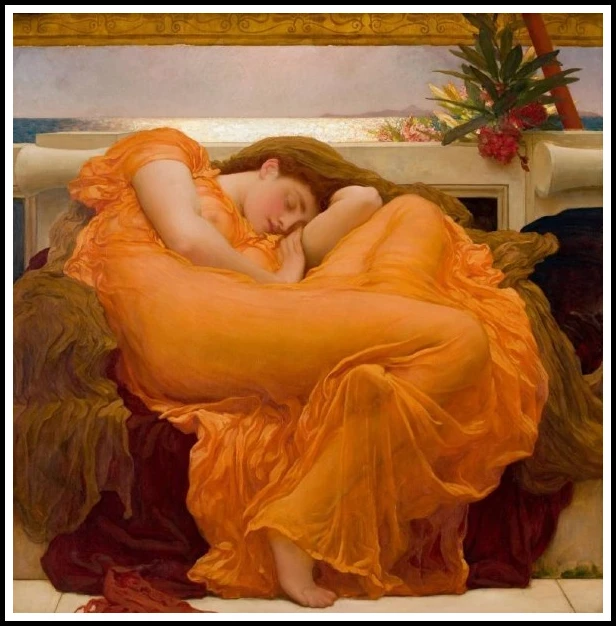
Frederic Leighton, Flaming June, 1895
…and Albert Moore, where visions of feminine beauty are a vapid reflection of refined taste.
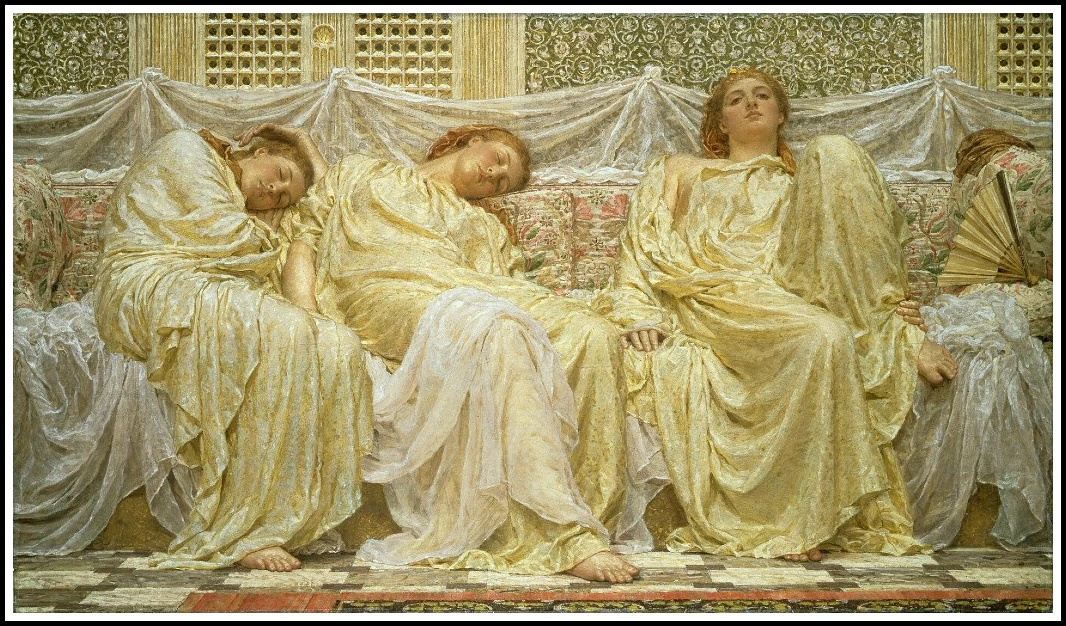
Albert Moore, Dreamers, 1882
From this emptiness we turn gratefully to the camera. Even Mrs Cameron, all too preoccupied by ideal beauty, cannot exclude a saving element of truth…
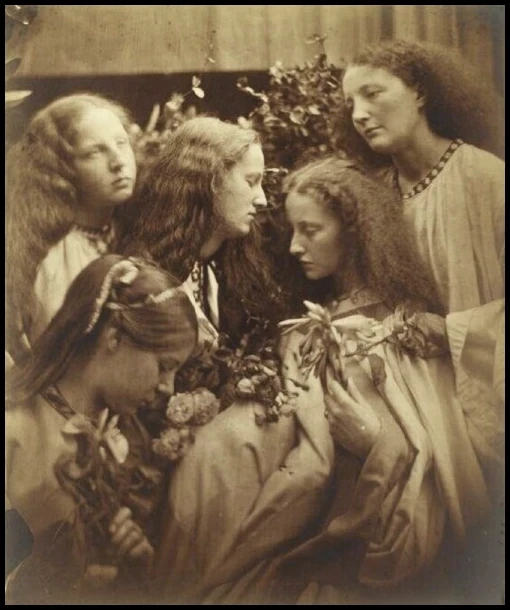
Julia Margaret Cameron, The Rosebud Garden of Girls, 1868
…and Nadar’s photograph of Sarah Bernhardt is more satisfying than the many idealized versions of that famous face.
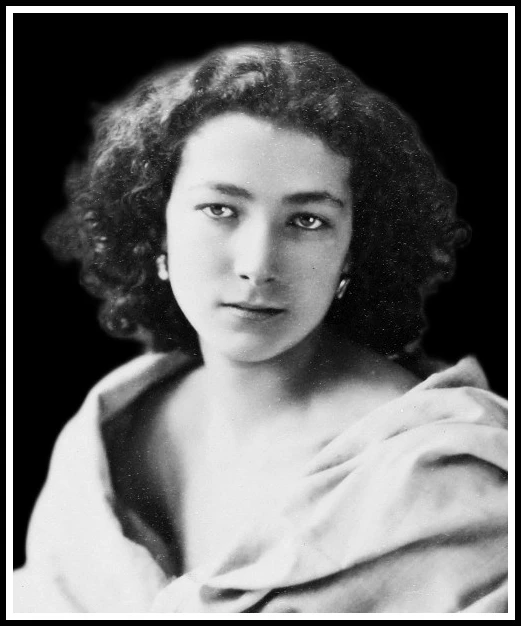
Nadar, Sarah Bernhardt, 1864
What Academy portrait equals the photograph of the Marchioness of Granby?
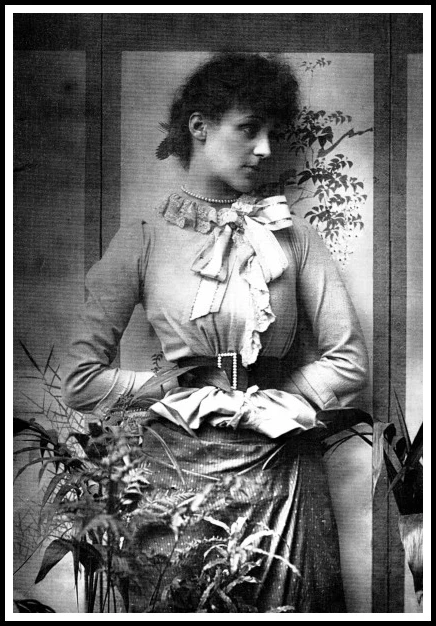
The Marchioness of Granby
Of course a synthesis between the ideal and the real is possible, especially when the sitter goes half way to meet it, as in the beautiful likeness of Lily Langtry…
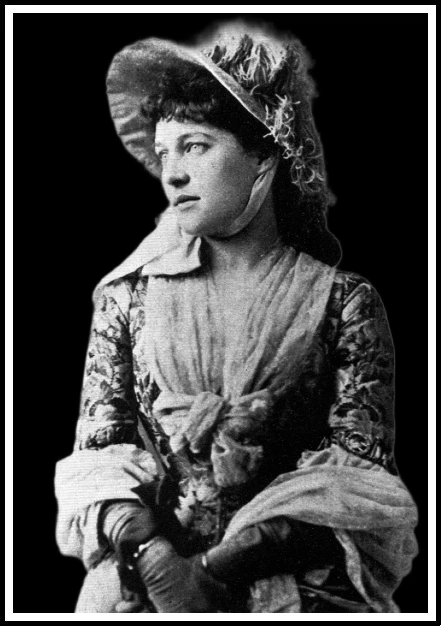
Lily Langtry
…and the touching photograph where her Anglo-Saxon solidity is used as a foil to the pathos of Sarah Bernhardt—to my mind a very moving photograph.
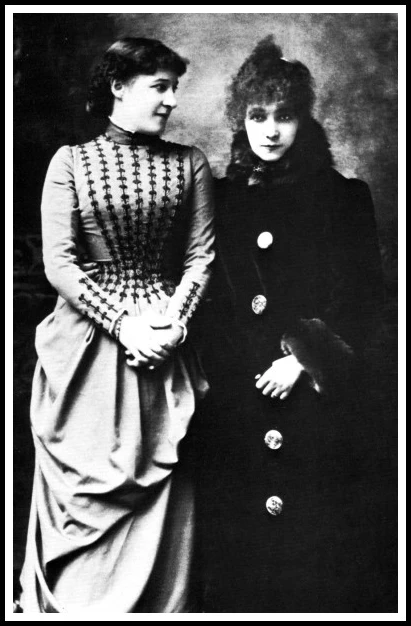
Lily Langtree & Sarah Bernhardt
We come to our own times, and I cannot say that the standard has declined. Can one discover a type, as one did in preceding periods? Greta Garbo is arguably one of the most beautiful women who have ever lived. Perhaps by rolling into one Princess Marina,1 Marlene Dietrich and Greta Garbo one might discover something a little different from any type of feminine beauty that has gone before—a certain withdrawn melancholy and lack of animal spirits. We have all lost self-confidence, and our beauties are not immune.
1 – To maintain my standard of visual design, I have substitued one of Kenneth Clark’s alternative choices, Princess Marina, for his actual choice of Tallulah Bankhead (represented in a painting by Augustus John). Note that Princess Marina (like Dietrich and Garbo) evidently contradicts Clark’s point about loss of self-confidence. [Richard Jonathan]
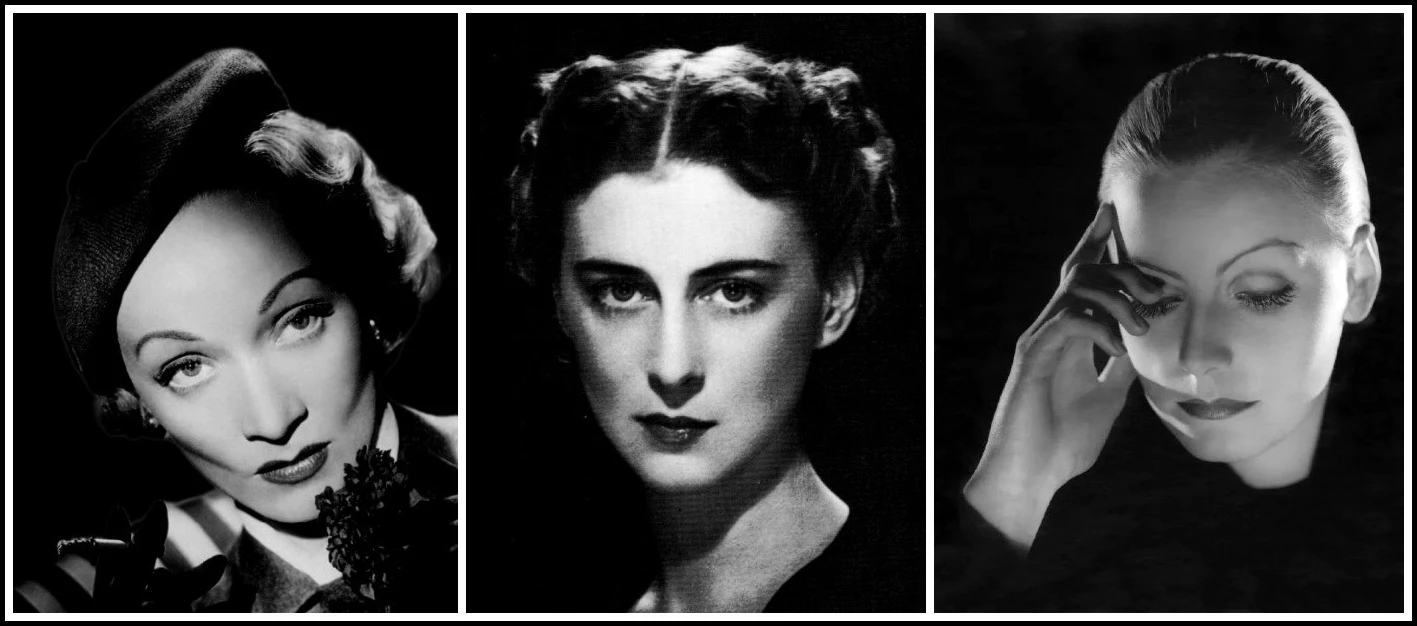
Cornel Lucas, Marlene Dietrich, 1951 | Atelier Harlip, Princess Marina of Greece, 1934 | Clarence Sinclair Bull, Greta Garbo, 1931
But, as if to show that all such generalizations are nonsense, this survey ends with glorious photographs of Marilyn Monroe on the beach.
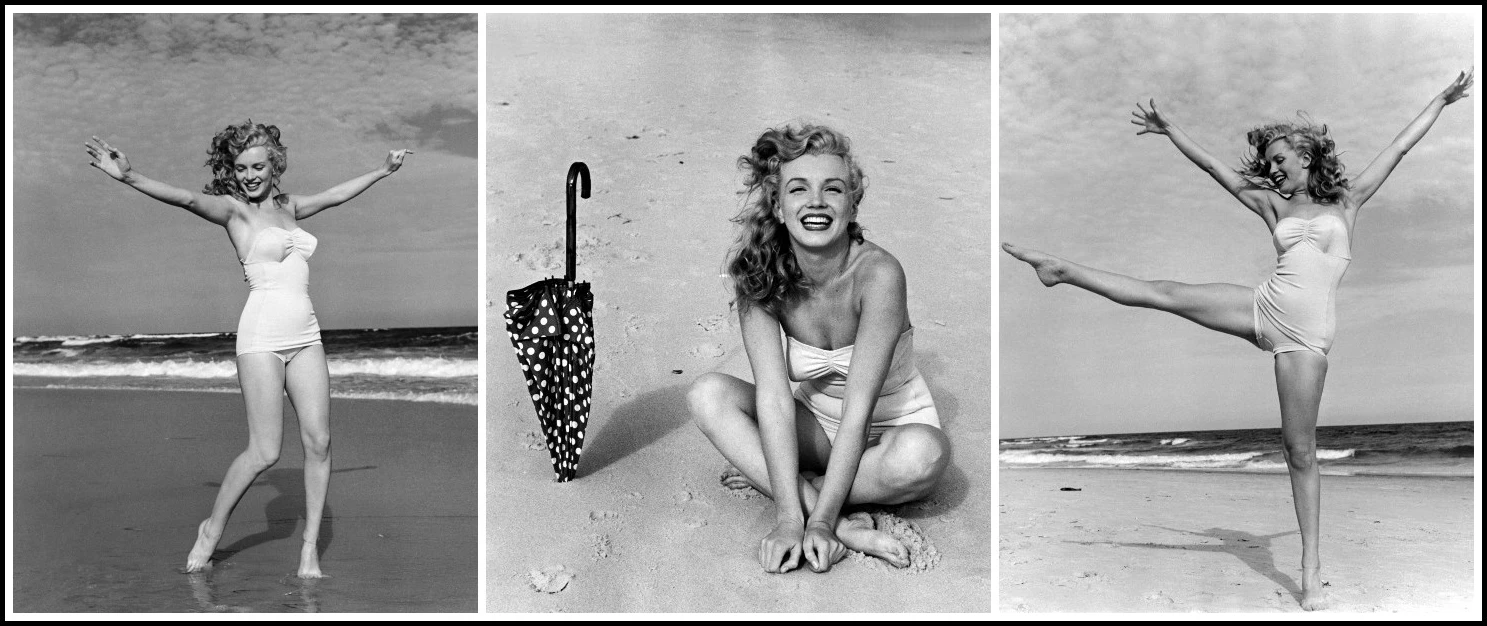
André de Dienes, Marilyn Monroe, 1949
Going back over the images in this survey, one has the feeling that, although almost everything else in the world has changed, feminine beauty has remained constant. Praxiteles would have knelt in homage to his countrywoman, Princess Marina of Greece.
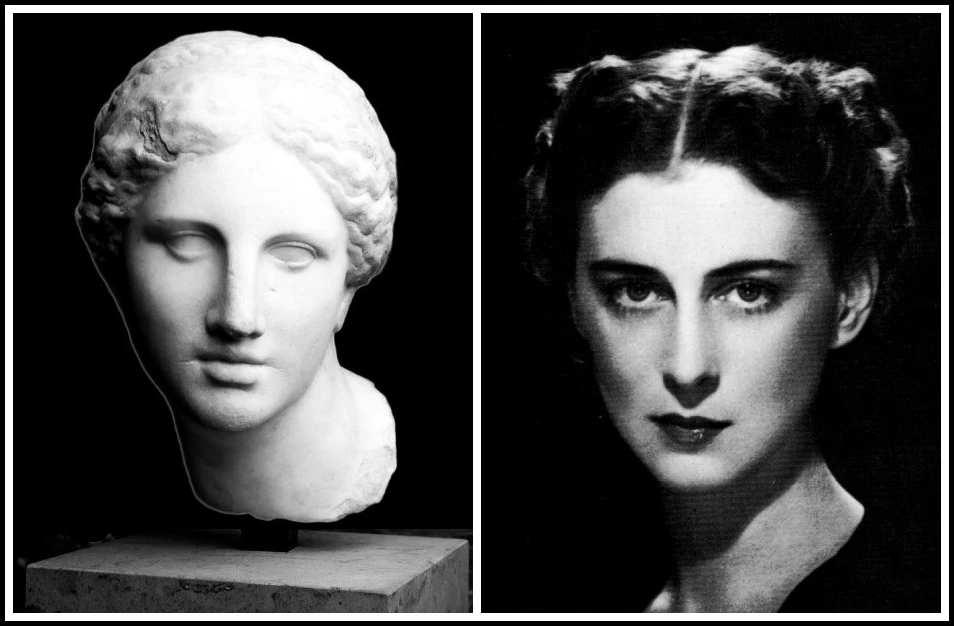
Praxiteles, Head of Aphrodite, 340 BC | Atelier Harlip, Princess Marina of Greece, 1934
MARA, MARIETTA: A LOVE STORY IN 77 BEDROOMS – READ THE FIRST CHAPTER
A literary novel by Richard Jonathan

RICHARD JONATHAN, ‘MARA, MARIETTA: A LOVE STORY IN 77 BEDROOMS’ — READ THE FIRST CHAPTER
AMAZON & APPLE BOOKS

RICHARD JONATHAN, ‘MARA, MARIETTA: A LOVE STORY IN 77 BEDROOMS’ | AMAZON PAPERBACK OR KINDLE

RICHARD JONATHAN, ‘MARA, MARIETTA: A LOVE STORY IN 77 BEDROOMS’ | APPLE iBOOK
MARA, MARIETTA: A LOVE STORY IN 77 BEDROOMS
A literary novel by Richard Jonathan

Available from AMAZON (paper | ebook) & iBOOKS, GOOGLE PLAY, KOBO & NOOK (see LINKS below)
RELATED POSTS IN THE MARA MARIETTA CULTURE BLOG
CLICK ON THE IMAGE TO GO TO THE POST

By Richard Jonathan | © Mara Marietta Culture Blog, 2026 | All rights reserved
Comments